Breaking down barriers to healthy eating

Delivering real impact through the Fruit & Vegetable Prescription Program
At Doctors For Nutrition, we believe access to healthy food is a basic right—not a privilege. Yet for many people, cost and access to fresh, nourishing food put it out of reach, making healthy eating difficult. The Fruit & Vegetable Prescription Program pilot was designed to change that—moving beyond advice and into action by putting fresh food directly into people’s hands, and improving both food and health equity in the process.
Funded through a generous grant and launched in late 2025, we partnered with a local general practitioner clinic and fresh produce delivery service, Wonky Box. The six-week pilot explored how increasing access to fresh fruit and vegetables could support people managing, or at risk of, chronic health conditions who were also experiencing financial or access challenges.
Why this matters
Adequate fruit and vegetable intake is fundamental to maintaining health; however, findings from the 2024/25 New Zealand Health Survey indicated that approximately 95% of adults did not meet the recommended combined intake of vegetables (3+ servings) and fruit (2+ servings) per day. While the New Zealand Health Survey 2018/19 and 2019/2020 indicated that adults living in areas of high deprivation were less likely to meet these recommendations and more likely to consume less healthy foods and drinks.
The ongoing cost-of-living crisis is contributing to rising rates of diet-related illness and food insecurity. For many households, prioritising fresh produce has become increasingly difficult, with the cost of fruit and vegetables in August 2025 rising by 8.9% compared with the same period the previous year. Given that calorie-dense, nutrient-poor foods are often available at lower prices than fruit and vegetables, it is unsurprising that affordability drives food choices. When fresh food becomes harder to prioritise, people often rely on cheaper, less nutritious options—not because they want to, but because they have to. This program focused on making healthy food the easier choice by removing some of these everyday barriers.
A practical approach to prevention and care
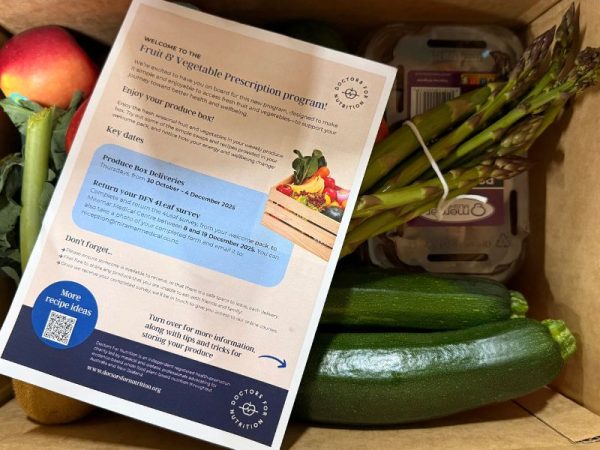
Recruitment for the pilot commenced in October 2025, and over the six-week period, 61 participants received a free large box of fresh fruit and vegetables delivered to their homes each week, fully funded by our generous grant funder. The box was large enough to be shared with the whole family.
“Thank you for the opportunity to be part of this. It was great.
Alongside the produce deliveries, participants also received a practical nutrition education pack designed to help build confidence in preparing healthy meals, increasing fruit and vegetable intake, and making sustainable dietary changes over time. The goal was not just to provide food, but to create a supportive experience that made healthy eating feel achievable, enjoyable, and sustainable.
What participants told us
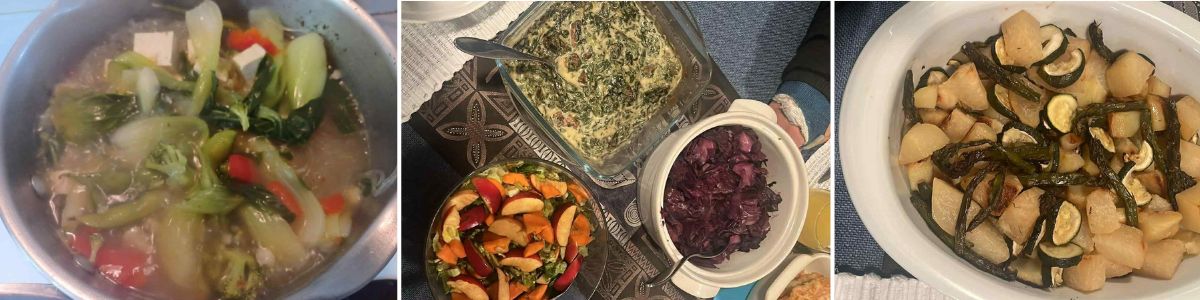
Feedback from participants highlighted the meaningful difference the program made in their day-to-day lives. Many spoke about the financial relief of receiving regular deliveries of fresh produce, describing how it eased pressure on household budgets and allowed them to enjoy a wider variety of foods than they would normally purchase. Others emphasised the convenience of having produce delivered directly to their door, which made it easier to incorporate fruits and vegetables into meals without the added time, cost, or effort of shopping. Participants also described how the program positively influenced their eating habits and overall wellbeing. Several noted that having a steady supply of fresh produce encouraged them to eat more vegetables, try new foods, and feel better physically and mentally. Some participants shared that the experience had a lasting impact, with a number choosing to continue purchasing produce boxes after the program ended.
Supporting both patients and providers
General practitioners involved in the pilot also reported that the program was easy to incorporate into practice. They found the referral process straightforward and valued having a practical resource to offer patients who were struggling with food access.
This highlights the role healthcare settings can play in connecting people with tangible support—not just advice—when it comes to improving nutrition.
My family and I really appreciated receiving the produce boxes for the 6 weeks. Thank you. It made a huge difference for us.
More than just food
The program also contributed to broader community benefits. By partnering with Wonky Box, it supported local growers and helped reduce food waste by redistributing surplus produce that might otherwise have been discarded. We were delighted to learn that, based on average weekly box weights, the program helped divert more than 3,475 kilograms of fresh produce from going to waste. The produce was sourced from 38 different growers across New Zealand, providing additional support for local producers.
Thank you so much, I loved my Wonky Box so much I’ve now subscribed to it
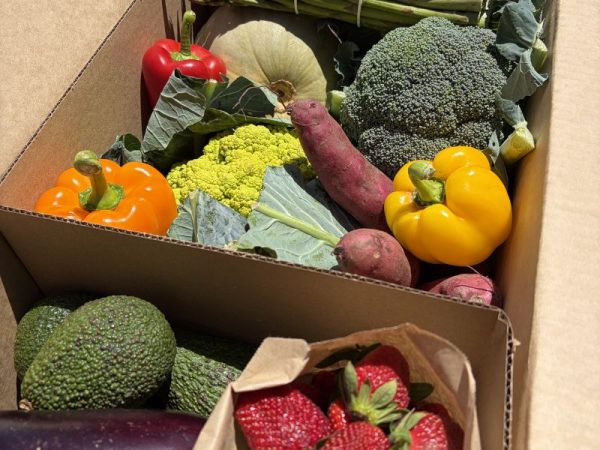
This added an extra layer of value, aligning participant wellbeing with environmental sustainability and local food systems.
Reducing barriers, building confidence
For many people, knowing what foods support good health is only part of the picture. Cost, transport, availability, time, and confidence in preparing meals can all impact food choices and long-term health outcomes.
“For me the most beneficial thing was the economic impact of receiving the Wonky Box. Because I was not restrained due to the price of fruit and vegetables, I was eating a great variety of foods I normally don’t buy due to my budget. So my diet during the 6 weeks of delivery was very interesting and enjoyable.
The Fruit & Vegetable Prescription Program aimed to reduce some of these barriers by making healthy food more accessible and convenient. Home delivery ensured participants could regularly access fresh produce, while the educational resources provided practical guidance to support lasting behaviour change.
By combining access with education, the pilot recognised that improving nutrition outcomes requires supportive environments—not just individual motivation.
Supporting healthier communities
A diet rich in fruit and vegetables is associated with a reduced risk of many chronic conditions, including cardiovascular disease, type 2 diabetes, and some cancers. Yet many Australians and New Zealanders continue to fall short of recommended daily intakes, particularly in communities experiencing disadvantage.
Programs like this demonstrate the important role healthcare settings can play in supporting access to good nutrition as part of chronic disease prevention and management.
The pilot also highlights the growing interest in “food as medicine” approaches—recognising that access to nourishing food can be a powerful tool for improving health and wellbeing.

Looking ahead
The Fruit & Vegetable Prescription Program pilot provided an opportunity to explore how healthcare providers, community organisations, and food delivery services can work together to support healthier communities. While modest in scale, the pilot reflects an important shift toward more practical, preventative, and equity-focused models of care—helping ensure that healthy choices are more accessible for everyone.
Thank you for the delicious fruit and veggies. My whānau certainly did enjoy participating in the program.
Building on this success, the next phase of the program will expand to include cooking demonstrations based on weekly produce boxes, along with additional nutrition education delivered by a registered nutritionist.
By continuing to focus on real-world barriers and participant experience, the program aims to further support individuals and families to feel confident, capable, and supported in making healthier food choices.