Plant-powered lunchboxes: 10 easy tips for happy, healthy kids

- Rebecca Stonor, CEO
- 20 Jan 2026
Healthy lunch boxes can set children up with steady energy, better focus and long-term health by centering lunches on whole plant foods like fruits, vegetables, whole grains, legumes, nuts and seeds.
Dietary guidelines worldwide are increasingly converging on a plant-forward approach that safeguards both human health and the planet’s future. The EAT-Lancet Commission’s Planetary Health Diet exemplifies this shift, advocating for meals dominated by vegetables, fruits, whole grains, legumes, nuts, and minimal animal products to feed a growing global population sustainably while slashing greenhouse gas emissions, land use, and water demands. By packing plant-powered lunch boxes today, parents empower kids not just with vibrant health but also with the tools to thrive on a healthy planet tomorrow, fostering lifelong habits that honour our shared environment.
A whole food plant-based pattern is appropriate and nutritionally adequate for all life stages, including childhood and adolescence.
A whole food plant-based (WFPB) dietary pattern, rich in fruits, vegetables, whole grains, legumes, nuts, and seeds with minimal or no animal products or ultra-processed foods, is nutritionally adequate and supports optimal growth for all life stages, including the critical periods of childhood and adolescence.
Many organisations including Dietitians Australia, the Canadian Paediatric Society, and the British Dietetics Association all affirm that appropriately planned plant-based diets are healthy and nutritionally adequate for all stages of life. For growing kids, nutrient rich WFPB diets fuel steady energy, cognitive function, bone development, and immune health and children who are raised on healthful vegan diets have a reduced risk for heart disease, cancer, obesity, diabetes, and other conditions.
Building a healthy lunch box
Aim to include these elements most days.
- Whole grain base: wholemeal or grainy bread, wraps, pasta, brown rice, quinoa or leftover baked potatoes/sweet potatoes.
- Protein-rich plants: hummus, bean spreads, lentil dhal, baked beans, tofu strips, tempeh, edamame, or nut/seed butters, where allergy-safe.
- Colourful produce: fresh fruit, veggie sticks, cherry tomatoes, salad mixes, roasted veg or corn on the cob.
- High-calorie whole foods (for little tummies and active teens): avocado, tahini, nuts and seeds, or seed-based dips, avoiding coconut products due to the high saturated fat content and its impact on cardiovascular health.
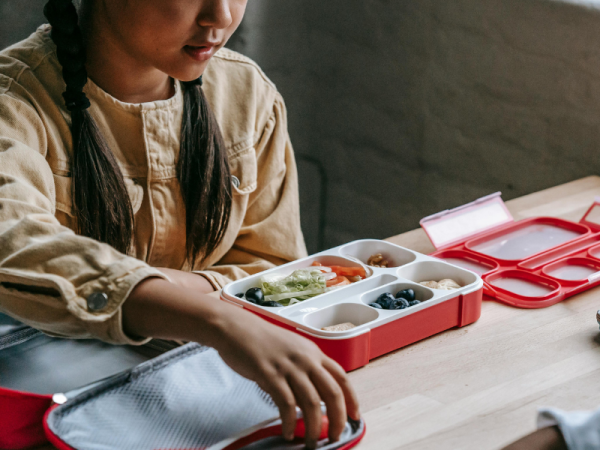
Top 10 lunchbox tips for parents
- Think “whole plants first”
Base most choices on minimally processed fruits, vegetables, whole grains, legumes, nuts and seeds to maximise nutrient density and fibre. - Pack plenty of plants early in life
Childhood is when arteries can already show atherosclerotic changes, so everyday plant-rich lunches help protect heart health from a young age. - Offer familiar favourites plus one “yet-to-be-liked” food
Combine foods your child already enjoys with a small serve of something new, allowing them to explore with all their senses over multiple exposures. - You choose the ‘what’ and ‘when’; they choose ‘which’ and ‘how much’
Provide regular opportunities and a variety of healthy options, then let kids decide what and how much to eat from what is offered. - Make it fun and positive
Use colourful containers, playful names like “broccoli trees”, shapes, and descriptive language that spark curiosity rather than pressure. - Role model what you pack
Children are more likely to enjoy fruits and vegetables when they regularly see their adults eating and enjoying the same foods. - Stock the pantry for success
What comes home from the shop (or an online order) ends up in lunch boxes; keep processed meats, high-fat animal products and junk foods out of your fridge and pantry. - Rethink dairy, meat and processed meats
Calcium can be readily obtained from plant foods such as greens, beans, tofu, tempeh and fortified soy milk, while processed meats are classified as Group 1 carcinogens and are best avoided. - Plan for energy needs without the junk
Use calorie-dense whole foods like whole grain breads, smoothies, hummus, nut and seed spreads, and avocado to fuel active kids instead of ultra-processed snacks. - Remember key nutrients and supplements
A well-planned plant-based pattern usually meets or exceeds most nutrient needs, still vitamin B12 must be supplemented, and vitamin D should be monitored, with safe sun exposure or a plant-based supplement as needed.
Simple kid-friendly lunchbox ideas
- Mini wholemeal wraps with hummus, grated carrot, lettuce and corn; fruit salad; a small container of roasted chickpeas.
- Leftover veggie pasta or rice-and-bean salad in a thermos; cucumber and capsicum sticks; a mandarin or berries.
- Wholegrain sandwich with mashed beans and avocado; cherry tomatoes; a fig or date and a small handful of nuts or seeds (if permitted).
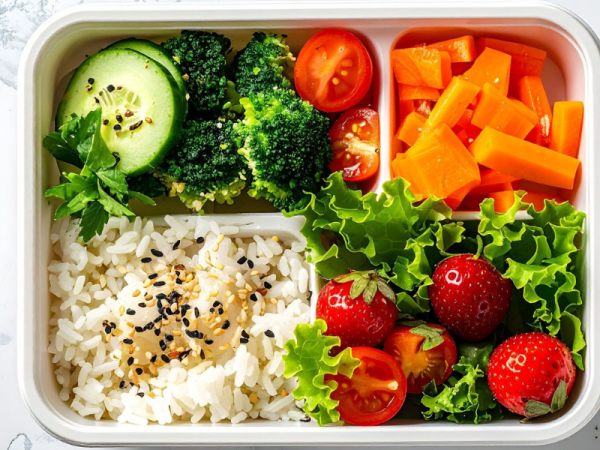
Find kid-friendly DFN recipes
For practical ideas and step-by-step guidance, explore the free kid-friendly whole food plant-based recipes in the Doctors For Nutrition recipe collection at: www.doctorsfornutrition.org/recipes. Many of these meals and snacks adapt easily to lunch boxes and help children enjoy more fruits, vegetables, whole grains and legumes every day.